
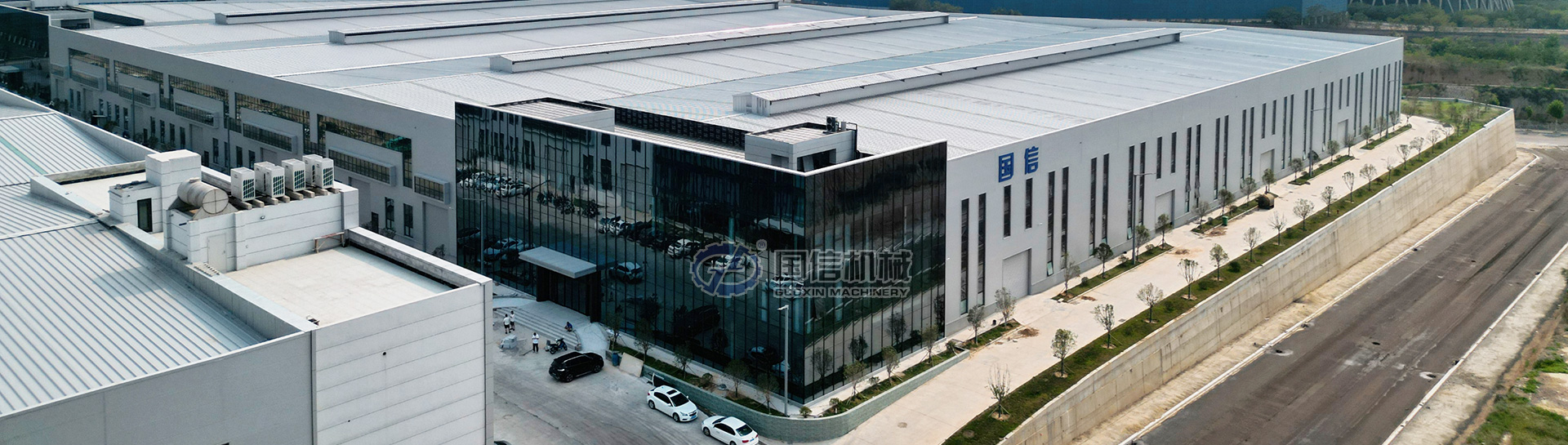
This 600 TPD mixed waste sorting project in Nantong, Jiangsu Province, China, features an integrated mechanical processing system designed to handle large volumes of heterogeneous waste materials.
The processing line combines mechanical feeding, conveyor transportation, rotary screening and enclosed material separation equipment to classify incoming waste into different fractions for further treatment and resource recovery.
1. Project Overview
| Project Parameter | Project Details |
|---|---|
| Project Location | Nantong, Jiangsu Province, China |
| Project Type | Mixed Waste Sorting and Resource Recovery |
| Feedstock | Mixed Waste |
| Project Processing Capacity | 600 TPD |
| Main Processing Technologies | Mechanical Feeding, Rotary Screening, Conveyor Sorting and Material Separation |
| Main Equipment | Feeding System, Rotary Screening Equipment, Enclosed Sorting Units and Belt Conveyors |
| Main Output Streams | Fine Fractions, Coarse Materials and Separated Mixed Waste Fractions |
| Project Equipment Provider | Guoxin Machinery |
| Project Scope | Mixed Waste Sorting Equipment and Processing System Configuration |
The 600 TPD figure represents the stated project processing capacity. Actual daily throughput depends on incoming material composition, moisture content, feeding conditions, operating hours and equipment performance.
2. Waste Feeding and Mechanical Sorting Process
The Nantong facility handles heterogeneous mixed waste containing materials of different sizes and physical characteristics.
1. Waste Receiving and Mechanical Feeding
Incoming waste is accumulated in the receiving area before being transferred to the processing line.
2. Conveyor Transportation
Heavy-duty belt conveyors transfer the incoming materials between different processing units.
The conveyor arrangement connects the feeding area with the mechanical screening equipment and downstream material discharge sections.
3. Rotary Screening and Size Separation
The incoming mixed waste passes through rotary screening equipment for size classification.
Fine materials are discharged separately, while larger fractions continue through the subsequent processing stages.
Screening parameters should be selected according to the incoming material characteristics and required separation objectives.
4. Mechanical Material Separation
The processing line uses enclosed mechanical equipment to handle and separate different material fractions.
The footage shows multiple mechanical processing units connected by conveyor systems, together with separate material discharge points.
The final separation functions and equipment configuration should follow the actual project process flow and equipment schedule.
5. Material Discharge and Collection
After screening and separation, different fractions are transferred through discharge conveyors and collected in designated areas.
3. Main Equipment Configuration
| Equipment | Main Function |
|---|---|
| Waste Receiving and Feeding System | Receive and introduce mixed waste into the sorting line |
| Loader / Grab Feeding Equipment | Transfer incoming waste to the feeding section |
| Heavy-Duty Belt Conveyors | Transfer materials between processing stages |
| Rotary Screening Equipment | Separate fine and coarse material fractions |
| Air separator | Sorting of lightweight materials |
| Discharge Conveyors | Transport separated materials to collection areas |
| Material Collection Areas | Store different output fractions for further handling |
4. On-Site Project Video: 600 TPD Nantong Waste Sorting Facility
The following footage documents the 600 TPD mixed waste sorting facility in Nantong, Jiangsu, China.
The video shows:
- Mixed waste receiving and stockpiling.
- Mechanical loading and feeding operations.
- Large-scale conveyor transportation.
- Rotary screening and enclosed mechanical processing equipment.
- Different material discharge points.
- Separate collection of fine and coarse material fractions.
5. Material Separation and Resource Recovery
The sorting system is designed to divide incoming mixed waste into different material fractions for further processing and utilization.
The main visible material streams include:
| Output Stream | Processing Description | Further Handling |
|---|---|---|
| Fine Fraction | Smaller particles separated through rotary screening | Further assessment and appropriate treatment |
| Coarse Mineral-Rich Fraction | Larger stones, bricks and other mineral-containing materials | Further sorting or processing |
| Lightweight Mixed Fraction | Selected plastics, textiles and other lightweight materials | Further separation or appropriate treatment |
| Other Rejects | Materials unsuitable for the selected recovery routes | Designated downstream handling |
The final composition, recovery quantities and possible recycling applications depend on the incoming waste characteristics and installed downstream equipment.
Actual output quantities, material recovery rates and product quality should be established through weighing records, operating data or representative testing.
6. Project Engineering and Contact
The Nantong project demonstrates the application of a 600 TPD mechanical sorting system for large-volume mixed waste processing.
Its main engineering features include:
- Coordinated loading and feeding arrangements.
- Heavy-duty conveyor transportation.
- Rotary screening for particle-size classification.
- Integrated mechanical processing and material separation.
- Separate discharge and collection of different material fractions.
The final equipment configuration should be adapted to the incoming waste composition, required processing capacity, site layout and target recovered material specifications.
Guoxin Machinery provides mixed waste sorting equipment and customized mechanical processing configurations for waste resource recovery projects.
Contact our international waste sorting team:
Email: eve@guoxinmachinery.com
WhatsApp: +86 13673809725
Website: https://www.mswsortingmachine.com/
Related Solutions