
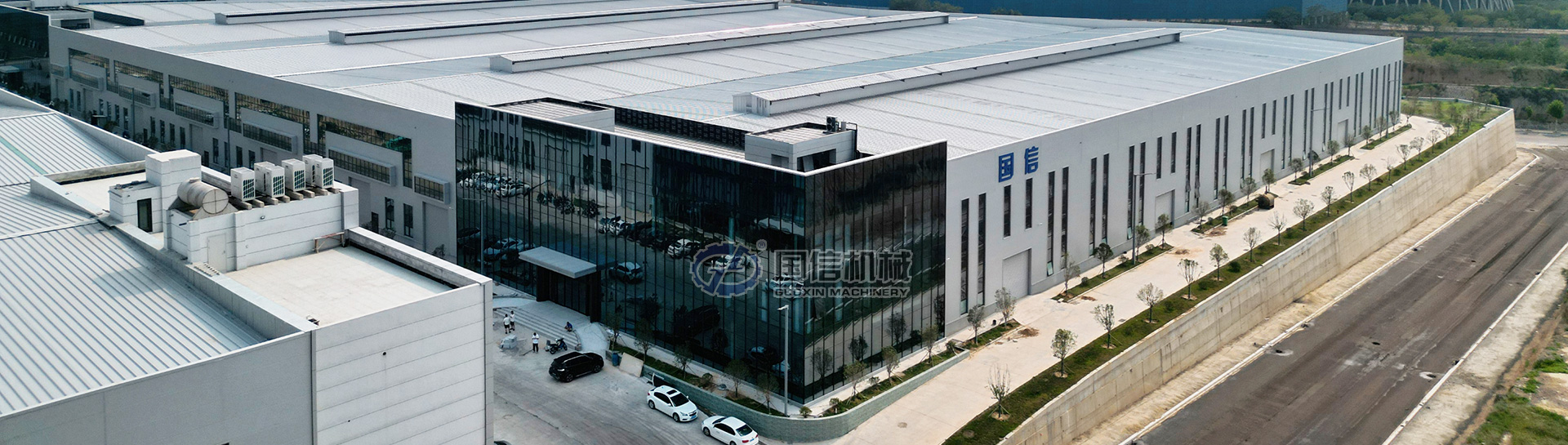
For Material Recovery Facilities (MRFs), waste-to-energy plants, and specialized recycling operations, the core of efficiency lies in advanced waste sorting machines. These automated systems are the critical link that transforms mixed waste streams into high-purity, valuable commodities.
Guoxin Machinery discussed the concept of waste sorting, the core principles of Waste recycling equipment, the sorting process, and the tangible benefits that these systems bring.
I.What is Waste Sorting and Recycling?
Waste sorting is the systematic process of separating a mixed waste stream (MSW, commercial, industrial, or construction debris) into distinct categories such as plastics (PET, HDPE), metals (ferrous, non-ferrous), paper, cardboard, glass, and organics.
The goal is twofold: to extract recyclable materials for remanufacturing and to remove contaminants, thereby maximizing resource recovery and minimizing landfill disposal.
Manual sorting is labor-intensive, inconsistent, and poses health risks. Modern automated waste sorting machines provide a scalable, precise, and efficient solution.
II. Principles of Waste Recycling Equipment
1. Sensor-Based Identification:
This is the “brain” of the system. Sensors scan materials on a fast-moving conveyor belt.
Near-Infrared (NIR) Sensors: Identify different polymer types and paper fibers based on their unique spectral signatures.
Optical Color Sorters: Use high-resolution cameras and color recognition to separate materials by color (e.g., clear vs. colored glass, different colored plastics).
Magnetic Separators: Automatically extract ferrous metals (iron, steel) using powerful magnets.
Eddy Current Separators: Induce a magnetic field to repel and eject non-ferrous metals (aluminum, copper) from the waste stream.
X-ray Transmission (XRT) & LIBS: Used for advanced separation, such as identifying different densities or specific material compositions (e.g., PVC from PET, alloy types).
2. Mechanical Separation & Ejection:
Once identified, the “body” of the machine executes the separation.
Air Jets: The most common method. Precisely timed, high-speed air blasts eject targeted items into designated collection chutes.
Diverter Arms/Pushers: Mechanical arms sweep selected materials off the conveyor.
Screens, Trommels, and Ballistics Separators: Separate materials by size, shape, or weight(Air Density Separator)(e.g., flat 2D items like paper vs. 3D containers).
III.The Automated Sorting Process: A Streamlined Workflow
1. Pre-Sorting & Feeding: Mixed waste is uniformly fed onto the conveyor via a hopper and plate feeder.
2. Pre-Screening: Large items (e.g., cardboard) are removed by disc screens or bag openers that break open garbage bags.
3. Primary Sorting: Key material streams are extracted. This often starts with magnet removal of ferrous metals and eddy current recovery of aluminum.
4. Sensor-Based Precision Sorting: The heart of the line. NIR and optical sorters, often arranged in series or parallel, identify and eject specific plastics, paper grades, and remaining contaminants.
5. Quality Control & Final Sorting: A final manual or optical check station ensures product purity. Sorted materials are baled or shredded for transport to recyclers.
IV.The Impact: Tangible Results and ROI
Investing in advanced waste sorting equipment delivers measurable outcomes:
High Purity & Yield: Achieves consistently high purity (often >95%) of output fractions, dramatically increasing their market value.
Operational Efficiency: Processes tonnes of material per hour with minimal manual labor, reducing long-term costs and human error.
Enhanced Safety: Removes workers from direct contact with hazardous and unsanitary waste.
Maximized Recovery Rates: Extracts more saleable material from the same input, directly boosting revenue.
Regulatory Compliance & Sustainability Goals: Helps meet stringent recycling targets and corporate ESG (Environmental, Social, and Governance) commitments.
Waste recycling equipment is not merely equipment; it is the foundational technology for a profitable and sustainable circular economy. For any serious operator looking to upgrade their MRF, increase throughput, improve material quality, and secure a strong return on investment, integrating a well-designed, technology-driven sorting line is the decisive step. The future of recycling is automated, intelligent, and driven by precise sorting machinery.
As a leading manufacturer of waste recycling equipment and complete production lines, we provide tailored solutions that integrate these advanced technologies to optimize your specific waste stream and business objectives. Contact: eve@guoxinmachinery