
Industrial Waste Sorting Machines Reshape the Resource Value Chain
Industrial Sorting Solutions for:
-
Packaging Waste: PET, PE, PP, Paper, Cardboard.
-
Electronic Waste (E-waste): PCB, plastic-metal separation.
-
Automotive Shredder Residue (ASR): Ferrous and non-ferrous recovery.
-
Capacity: 2-10 Tons/Hour per module
Industrial waste comes in various forms and complex compositions, ranging from metal scraps and waste plastics to discarded packaging materials. It is both a potential burden on the environment and a resource. Industrial waste sorting machines are essential.
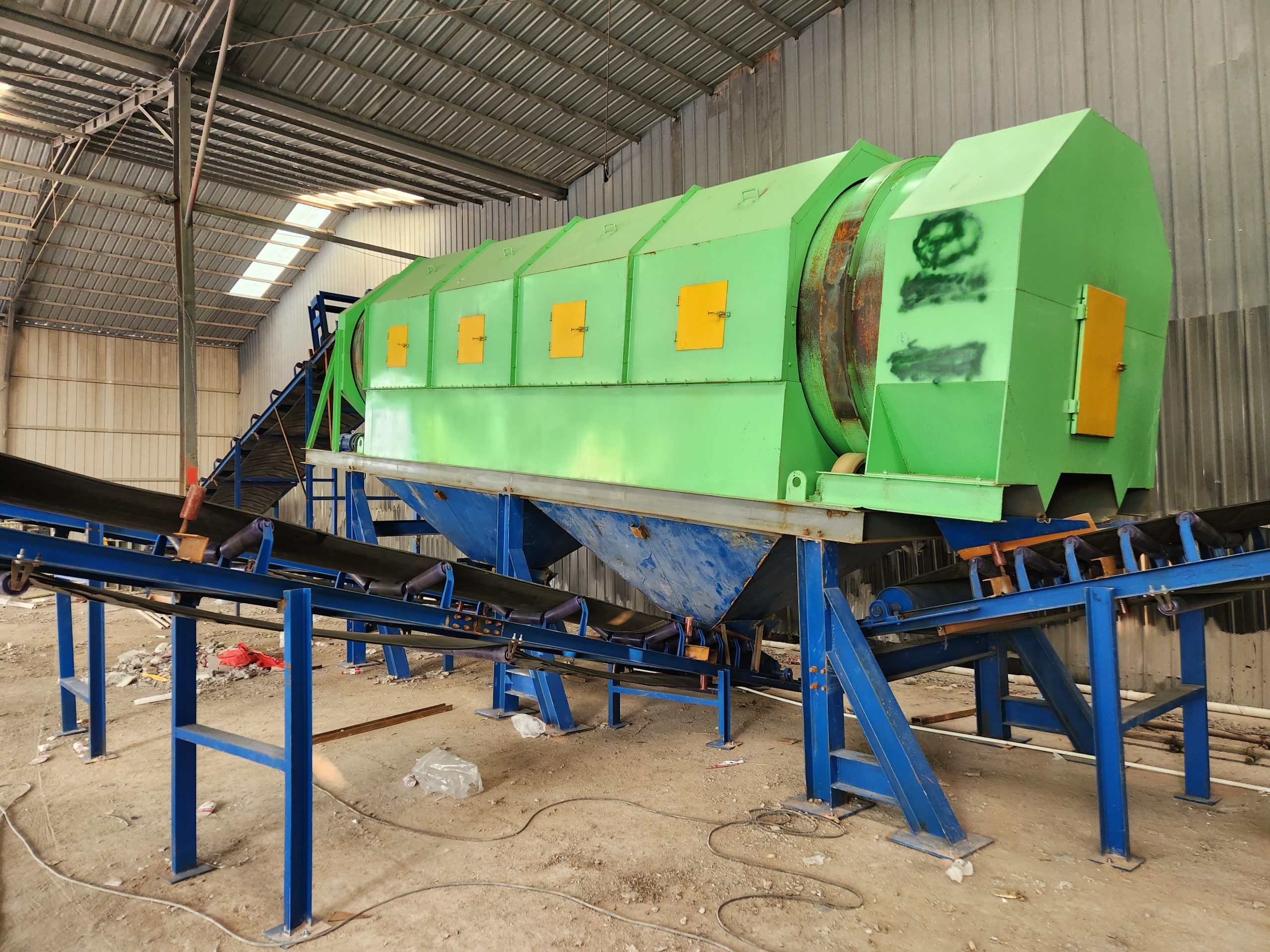
waste separation machine
The Complexity of Industrial Waste
Complex composition, health hazards, difficulty in achieving both precision and efficiency, and value loss.
Automated and intelligent industrial waste sorting machines have emerged, becoming indispensable core equipment in the resource recycling industry chain.
Intelligent Industrial Waste Separation Machine
Our Technology vs. Your Benefits:
-
NIR Spectroscopy: Automatically identifies multiple plastic grades (PET/PE/PP) in milliseconds, ensuring 99% output purity.
-
RGB Vision: Sorts materials by color and shape, perfect for high-value bottle-to-bottle recycling.
-
High-Pressure Air Jet: Replaces manual picking with 1,000+ ejections per minute, reducing labor costs by 80%.
Technology Classification of Industrial Waste Sorting Machine
| Machine Type | Core Sensor Technology | Target Materials | Processing Capacity | Separation Purity |
| Optical Sorter | NIR (Infrared) + RGB Vision | PET, PE, PP, Paper, Cardboard | 2 – 10 Tons/Hour | 98% – 99% |
| Metal Sorter | Eddy Current + Magnetic | Copper, Aluminum, Stainless Steel | 3 – 15 Tons/Hour | 95%+ |
| X-Ray Sorter | XRT / XRF (X-Ray) | High-density Plastics, PVC, Alloys | 1 – 5 Tons/Hour | High-Precision |
| AI Robotic Sorter | AI Deep Learning + Vision | Large Debris, Irregular Packaging | 2,000+ Picks/Hour | Consistent |
Based on sorting principles and application scenarios, industrial waste sorting machines are mainly classified into the following categories:
Material-based sorting: The core technology is NIR (Neural Infrared) technology. Primarily used for sorting mixed plastic bottles, films, rigid plastics, etc., it is a key piece of equipment in the plastic recycling industry.
Color-based sorting: The core technology is RGB vision. It separates PET bottle flakes of different colors, such as transparent, blue, and green, to increase the value of recycled materials.
Metal-based sorting: Includes magnetic separators (for ferromagnetic materials) and eddy current separators (for non-ferrous metals).
Multi-functional composite sorting: Integrates multiple sensors (such as NIR+XRF) into a single device, enabling one-stop, multi-level sorting of complex waste (such as electronic waste and automotive shredded materials).
Advantages of the Industrial waste separation machine
Economic Benefits
Increased Recyclable Value: Higher sorting purity results in recycled materials that are closer to virgin material quality, leading to higher selling prices.
Reduced Labor Costs: One sorting machine can replace dozens of sorting workers, significantly reducing long-term operating costs.
Reduced Raw Material Procurement: Enables internal waste recycling, reducing the procurement cost of virgin materials.
Environmental and Social Benefits
Resource Recycling: Reduces the exploitation of natural mineral and oil resources, aligning with national sustainable development policies.
Pollution and Carbon Reduction: The carbon emissions from recycling are far lower than those from producing virgin materials.
Enhance corporate image: Demonstrate corporate leadership in social responsibility and green manufacturing.
Case Study: Our industrial sorting lines are successfully serving resource recovery centers in Southeast Asia and Europe, processing over 500 tons of packaging waste daily.