
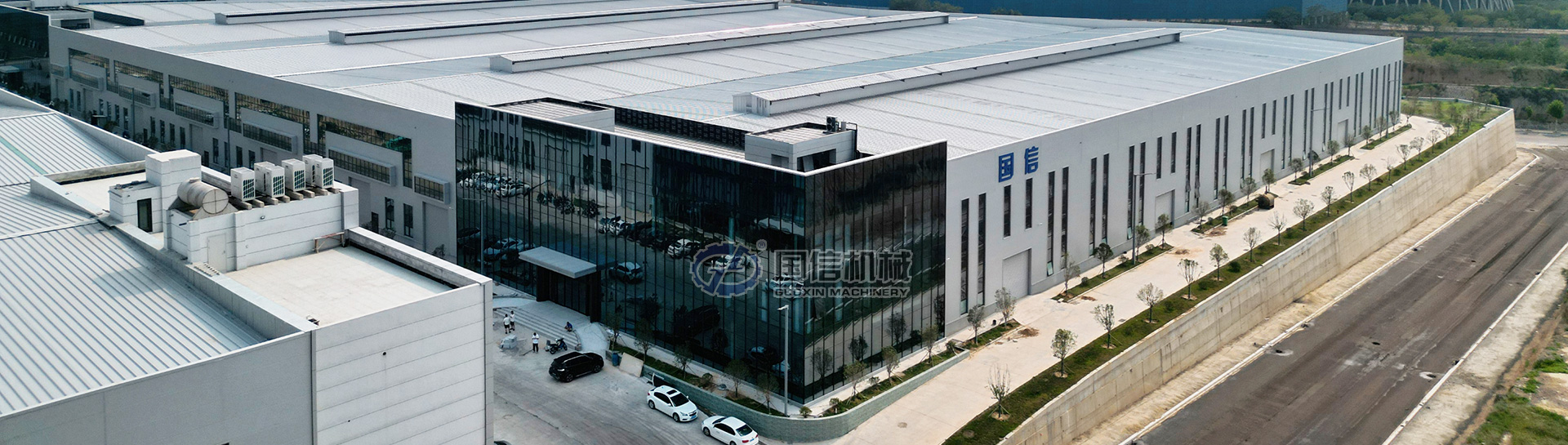
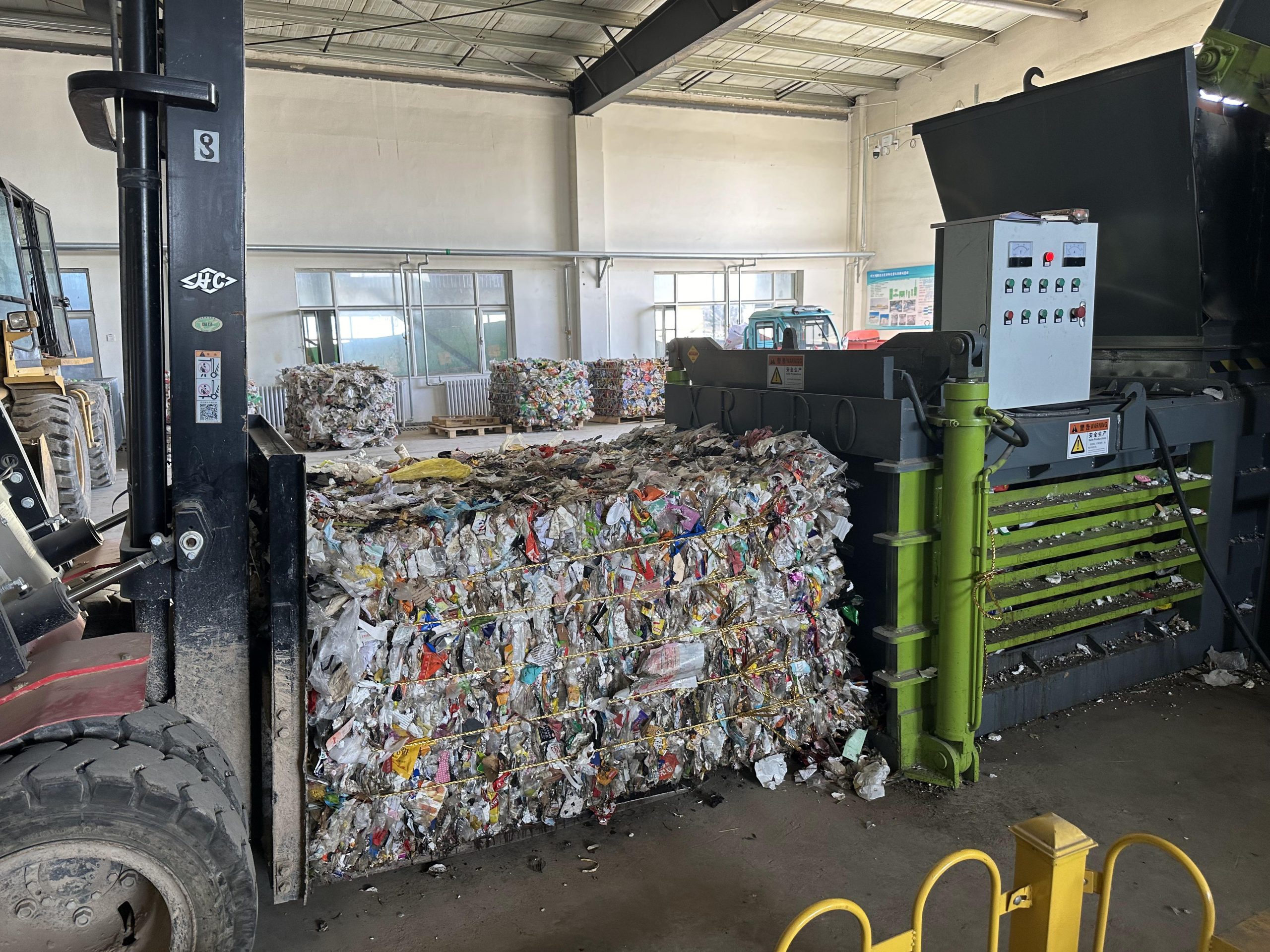
waste sorting production line
Mountains of waste pose not only an environmental burden but also a significant waste of resources. Implementing an efficient sorting system can greatly enhance the value derived from waste.
With rapid urbanization and increasing living standards, waste generation has surged. The traditional method of mixed collection and landfill not only consumes vast areas of land but also leads to serious pollution and resource depletion.
As a result, adopting a refined, resource-oriented, and efficient approach to waste sorting and treatment has become an essential priority for urban management.
This page discusses environmental and waste management use cases.
I. Waste disposal is a long-standing issue in urban waste management, particularly concerning construction waste
Every day, thousands of tons of waste are generated throughout the city, with bulky waste and mixed household waste posing significant challenges. Bulky items, such as old sofas, wardrobes, mattresses, and discarded refrigerators, complicate household waste disposal.
In addition, kitchen waste largely originates from vegetable markets and agricultural wholesale markets, consisting mainly of vegetable roots, leaves, and some household refuse.
If this waste is not managed properly, it not only pollutes the environment but also results in a substantial loss of recyclable resources.
II. Waste Sorting Production Line: A Solution for Waste Management
Modern waste sorting production lines utilize a precise coordination of specialized equipment to ensure proper disposal of different waste components, laying the groundwork for subsequent resource utilization.
1. Chain Plate Feeder:
Acting as the “throat” of the entire sorting line, the chain plate feeder is responsible for uniformly and steadily feeding materials to the next processes. It consists of a drive motor, reducer, chain, frame, and tensioning device. Anti-slip baffles on the conveyor chain effectively prevent material slippage.
2. Bag Opener:
Given that a significant amount of waste is bagged, breaking open these bags is a crucial step in waste sorting. The new intelligent bag-breaking equipment employs a precision positioning and puncture mechanism based on infrared sensors. This system features a sharp bag-breaking needle drive, a hopper for bag storage, and a sensor module, greatly improving the success rate of bag opening while reducing residual waste.
3. Trommel Screen:
As one of the key components of a municipal solid waste sorting system, the trommel screen classifies waste based on particle size. The drum is designed with holes of varying sizes and is installed at an angle. As the trommel screen rotates, materials enter and are agitated in a spiral motion, allowing for effective sorting.
This electromagnetic device removes ferrous parts from loose, non-magnetic materials. Its magnetic circuit is designed using computer simulation for optimal performance, featuring a large magnetic penetration depth, strong attraction, and protection against dust, rain, and corrosion. It operates reliably even in harsh environments.
5. Air Separator:
This device separates lightweight materials (such as plastic film and paper) from heavier materials using airflow. It is essential for effectively distinguishing between components of different densities within waste.
For large pieces of waste and tough materials, the twin-shaft shear crusher is designed with a low-speed, high-torque mechanism. By rotating two cutter shafts in both forward and reverse directions, materials entering the crushing chamber are torn, sheared, and compressed by the interaction of passive cutters, side plates, and central comb plates, achieving effective crushing.
7. RDF Machine:
This machine separates combustible components (such as plastics, paper, and wood) from waste and combines them with biomass to produce waste-derived fuel (RDF). This RDF boasts a high calorific value and favorable physical properties, making it suitable for direct incineration and enabling energy recovery from waste.
8. Waste Baler:
This equipment compresses and bales sorted recyclable materials (such as paper, plastics, and metals) for easier transportation and storage. It significantly reduces transportation costs and enhances storage efficiency.
III. Process Flow of a Waste Sorting Line
An efficient waste sorting production line is not just a collection of individual pieces of equipment; rather, it involves organic coordination and collaborative operation among various devices.
Once the waste enters the sorting line, it is first evenly fed by a plate feeder. Next, a bag opener breaks open the waste bags, fully exposing their contents.
Following this, the material passes through a trommel screen, which grades it according to particle size. Materials of different sizes are then go through a magnetic separator to recover metal items.
Lightweight materials are separated using air separators, while shredders and crushers process large or tough materials. The sorted combustible materials are then sent to an RDF (Refuse-Derived Fuel) machine to produce fuel. At the same time, recyclable resources are compressed and packaged by a baler.
For instance, the Xiamen Low-Value Recyclable Waste Sorting Center utilizes intelligent sorting equipment that can achieve a sorting capacity of over 5 tons per hour for mixed, lightly disposed, and contaminated municipal solid waste, separating at least 15 categories of recyclable resources.
IV. The Value and Benefits of Waste Sorting
Modern waste sorting production lines not only address environmental issues but also generate significant economic benefits. Resource Regeneration: The bulky waste crushing and processing system effectively reduces volume and sorts materials. It separates ferrous and non-ferrous metals and conducts air separation for RDF (Refuse-Derived Fuel) and wood, as well as dust removal. This process yields high-quality materials, including metals, sponges, activated carbon, textiles, wood, recycled plastics, and other valuable resources.
Energy Conversion: By producing RDF, the combustible components in waste are transformed into high-efficiency energy, turning waste into a valuable resource. Studies indicate that pollutant emissions from co-combustion of RDF and coal meet national standards, making it a clean and efficient fuel option.
Efficiency Improvement: The intelligent sorting equipment employs a high-frequency pneumatic-array, jet-blowing sorting system to achieve high-efficiency sorting. It can identify over 15 types of low-value recyclables, even at belt speeds exceeding 2 m/s. The accuracy of identification for each type is greater than 92%, and the recovery rate exceeds 90%.
V. Considerations When Choosing a Waste Sorting Production Line
When selecting a manufacturer for a waste sorting production line, it’s important to consider several factors:
1. Technological Advancement: Does the manufacturer utilize mature and reliable technological solutions? Look for features such as a multi-source waste identification system based on deep learning and effective intelligent bag-breaking technology.
2. System Integration Capability: Is the equipment designed to work together cohesively and efficiently? For instance, consider a drum bag-breaking and screening integrated machine that merges the functions of the bag-breaking and screening machines typically found in traditional solid waste treatment lines.
3. Professional Experience: Does the manufacturer have a proven track record with successful project implementations? Look for examples like the intelligent sorting equipment used at the Xiamen low-value recyclable sorting center.
4. Sustainable Development: Does the process prioritize environmental friendliness and economic efficiency? For example, crushing and extrusion processes are known for their stable operation, low investment requirements, and high resource utilization rates.
Guoxin can help you solve your needs and concerns. You can try cooperating with Guoxin.