
I. Composition of Municipal Solid Waste (MSW)
Municipal Solid Waste (MSW) refers to general waste generated in daily life, mainly including:
Recyclable materials: paper, cardboard, plastics (PET, HDPE, etc.), glass, metals (aluminum cans, iron products)
Organic waste: kitchen waste, garden waste
Other waste: textiles, electronic waste fragments, composite packaging materials
Non-recyclable residues: contaminated waste, some small miscellaneous items
II. Recycling Value of MSW processing
Effective MSW recycling can:
Resource recovery: converting recyclable materials into industrial raw materials, reducing the extraction of primary resources
Energy recovery: organic waste can be used to produce biogas through anaerobic fermentation or to prepare solid fuel (RDF)
Volume reduction: reducing the final landfill volume and extending the lifespan of landfills
Carbon reduction: replacing some high-energy-consuming raw material production with material recycling
III. Municipal Solid Waste Management(MSW processing )
1. Source Separation and Disposal
– Promote source separation in residential areas and commercial premises to improve the purity of incoming materials
2. Mechanized Intelligent Sorting
– Utilizes automated sorting equipment for high-precision, high-efficiency separation
3. Resource-Priority Processing
– Follows the hierarchical principle of “Recycling > Energy Recovery > Secure Landfill.”
4. Data-Driven Operation and Management
IV. Municipal Solid Waste Recycling and Treatment System Equipment
The MSW treatment plant’s processes and equipment include:
1. Feeding and Pre-treatment System
– Bag Breaker(bag opener machine): Automatically opens garbage bags and releases materials
– Plate Feeder: Uniformly controls the feeding rate, ensuring stability in subsequent processes
2. Coarse Separation and Screening System
Drum trommel Screen: Separates materials by size, separating organic components and fine fragments
3. Precision Sorting System
Magnetic Separator: Extracts ferrous metals
Eddy Current Separator: Separates non-ferrous metals (aluminum, copper, etc.)
Near-Infrared (NIR) Optical Separator: Identifies different types of plastics and paper, achieving material separation
Air Separator: Separates lightweight plastic films, paper, etc., using specific gravity differences
4. Fine Processing and Packaging System
Shredder: Crushes sorted materials to a uniform size.
Bagging machine: Compresses and bundles recyclable materials for easy transportation and storage.
V. Efficient sorting is key to resource regeneration.
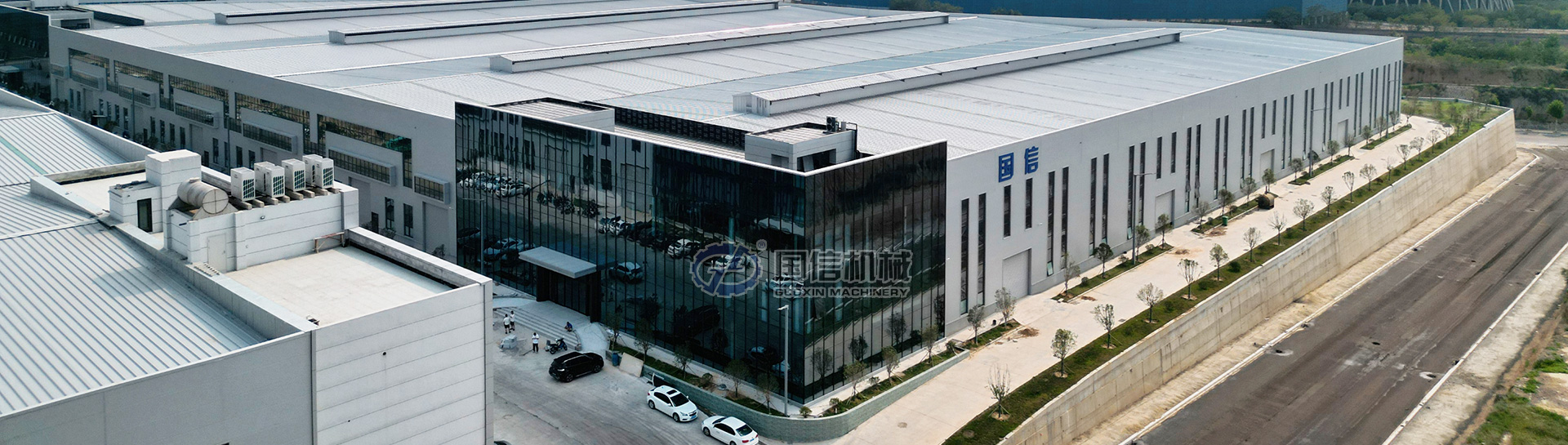
Guoxin Machinery has transformed from a traditional “waste treatment” company into a “resource extraction plant.” Efficient and intelligent sorting equipment and production lines are the core support for this transformation, directly determining resource recovery rates, operational economics, and environmental benefits. Choosing a suitable, reliable, and intelligent sorting solution will be a crucial step for cities to achieve sustainable waste management.