
What is the typical capital expenditure (CapEx) range and operational footprint required for an industrial-scale C&D waste recycling plant?
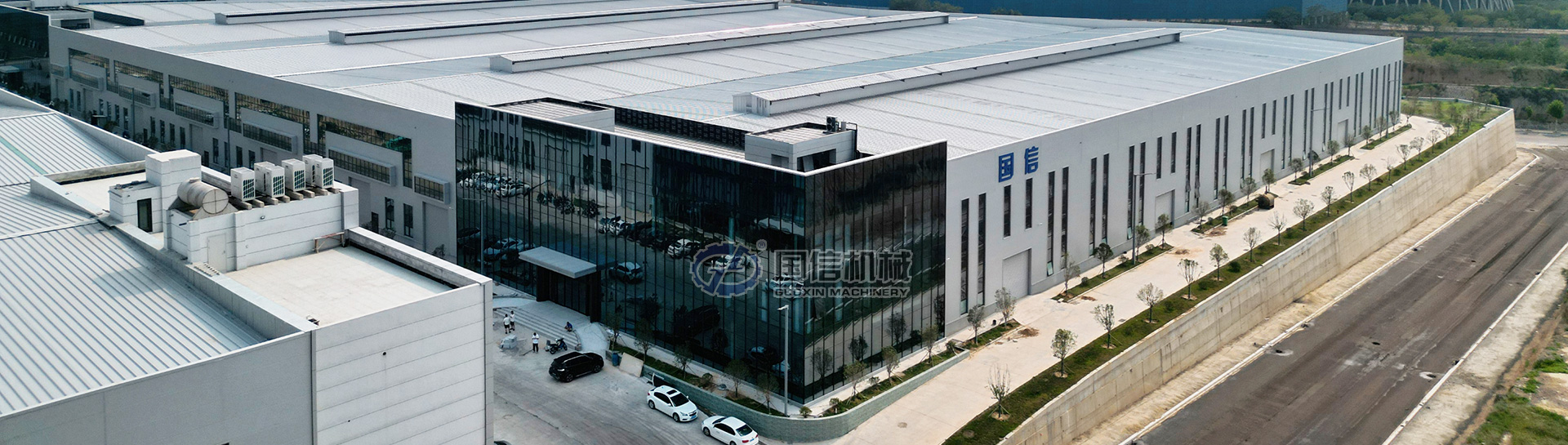
An industrial-scale construction and demolition (C&D) waste recycling plant typically requires a capital expenditure of $1.5 million to $12 million USD and an operational footprint of 2,000 to 45,000 square meters, depending entirely on the targeted throughput capacity (100 TPD to 1,000+ TPD) and the level of automated sensor or mechanical sorting integration configured within the plant layout.
Addressing Feedstock Heterogeneity in C&D Waste Processing
Commercial recycling facilities rarely process clean, homogenous demolition waste. High-capacity operations must handle heavily contaminated, mixed material matrices. Left untreated, these complex mixtures cause severe mechanical issues: abrasive concrete fragments rapidly accelerate blade wear, sticky organic fractions blind screen meshes, and flexible polymers wrap around rotating shafts, leading to unscheduled downtime.
An optimized C&D waste sorting plant must separate the following material groups:
- Inorganic Non-Metallics: Structural concrete blocks, masonry bricks, ceramic tiles, asphalt fragments, and glass shards.
- Metallic Elements: Ferrous steel rebar, structural iron wire, and non-ferrous aluminum profiles.
- Organic Combustibles: Demolition timber, mixed packaging plastics, cardboard, and textiles.
- Composite Impurities: Gypsum wallboards, rock wool insulation, and admixed municipal solid waste (MSW).
Multi-Stage Mechanical Processing Workflow
To maximize material diversion and protect heavy downstream equipment, modern plants implement a continuous four-stage logic: front-end volumetric control, mid-stream dimensional calibration, back-end density separation, and ultimate resource recovery.
Step 1: Material Intake and Macro Pre-Sorting
Raw, bulk inbound waste is discharged into a dedicated sorting yard. Heavy hydraulic grapples or excavators perform macro pre-sorting to scalp oversized concrete columns, long structural steel beams, and large hazardous objects. This step prevents mechanical bridging at the primary hopper inlet.
Step 2: Flow Normalization via Apron Feeding
The scalped material is loaded into a heavy-duty apron feeder. Because raw construction waste features highly irregular particle shapes and volatile bulk densities, standard rubber belt conveyors frequently suffer from tracking errors or premature tearing. Heavy-duty steel slat apron feeders utilize variable-frequency drives (VFD) to act as a mechanical surge-damping buffer, converting erratic dumps into a thin, continuously regulated material flow vector.
Step 3: Dimensional Sizing via Industrial Trommel Screening
The regulated material stream enters a high-torque trommel screen or heavy-duty vibrating screen. The trommel segments the material based on physical dimensions:
- The Undersize Fraction (Fines): Small, earth-rich soil particles, fine brick dust, and pulverized minerals pass through the screen openings early. Removing these fines prevents them from adhering to and contaminating high-value fractions downstream.
- The Oversize Fraction: Large concrete blocks, bricks, plastics, and wood exit the end of the trommel cylinder and proceed directly to primary density separation.
Step 4: Aerodynamic Density Separation & Metal Extraction
The oversized fraction passes through a comprehensive air density separator (air classifier). Using a synchronized system of positive-pressure air knives and negative-pressure dust extraction loops, the system splits material based on its weight-to-surface-area ratio:
- The Light Fraction: High-surface-area materials (plastic films, paper, textiles, and wood scraps) are entrained by the airflow, lifted over a splitter plate, and routed to an automated compaction and baling station.
- The Heavy Fraction: Dense concrete blocks, stone aggregates, and bricks drop straight through the air stream onto a dedicated discharge conveyor.
Before final size reduction, a high-gradient overbelt magnetic separator extracts liberated iron wire and rebar fragments, while eddy current separators isolate non-ferrous metals. The clean inert stream is then fed into a primary jaw or impact crusher to produce calibrated aggregates.
Downstream Material Valorization Metrics
A recycling plant’s economic return relies on its ability to transform separated waste fractions into commercial-grade secondary raw materials that meet local market standards.
Premium Recycled Concrete Aggregates (RCA)
The crushed and screened inorganic heavy fractions are transformed into premium Recycled Concrete Aggregates (RCA) and recycled sand, graded into standard commercial sizes (e.g., 0–5 mm, 5–10 mm, and 10–30 mm).
- Road Construction: Coarse aggregates serve as unbound base and sub-base layers for highways and heavy vehicle foundations.
- Concrete Product Manufacturing: The fine 0–10 mm fractions are routed to automated block-making lines. By replacing up to 30% to 50% of virgin river sand with RCA, plants produce eco-friendly pavement pavers, interlocking bricks, and retaining wall blocks that meet municipal structural compressive strength standards.
Alternative Fuels (RDF)
The organic light fraction (plastics, paper, and wood) is processed through a secondary high-torque shredder to produce high-density Refuse-Derived Fuel (RDF). With low residual moisture and a net calorific value (NCV) exceeding 15,000 kJ/kg, these fuel bales are sold to regional cement kilns and coal-fired power stations. This alternative fuel allows heavy industrial plants to substitute up to 30% of their fossil coal consumption, lowering energy expenses and reducing carbon emissions.
Technical Specifications & Plant Configurations
| Target System Capacity | Minimum Required Footprint | Total Installed Power | Primary Equipment Configuration | Main Downstream Outputs |
|---|---|---|---|---|
| 100 TPD (Small Municipal) | 2,000–3,500 m² | 120–160 kW | Primary Hopper, Heavy Duty Jaw Crusher, Single-Deck Vibrating Screen, Overbelt Magnet, Manual Sorting Belt | Coarse Sub-base Aggregates, Ferrous Scrap Metal |
| 300 TPD (Medium Facility) | 5,000–8,500 m² | 250–340 kW | Apron Feeder, Primary Impact Crusher, Industrial Trommel Screen, Overbelt Magnet, Single-Stage Air Classifier | Calibrated Road Aggregates (0–30 mm), Scrap Iron, Baled Light Plastics |
| 500 TPD (Regional Center) | 12,000–18,000 m² | 450–600 kW | VFD Apron Feeder, Heavy-Duty Primary Crusher, Multi-Fraction Trommel, Dual Air Density Separators, Cross-Belt Magnets, Secondary Conical Sizer | Commercial Grade RCA (Multi-Fraction), Recycled Sand, Clean Scrap Metal, Sorted Wood |
| 1,000 TPD+ (Large Infrastructure) | 25,000–45,000 m² | 950–1,400+ kW | Integrated PLC/SCADA Control, Advanced Pre-Sorting Stations, Dual Crushing Loops, High-Output Trommels, Multiple Air Classifiers, Eddy Current Separators, Automated RDF Shredding & Baling Lines | Premium Structural RCA, Recycled Brick-Making Sand, Commercial Ferrous/Non-Ferrous Metals, High-Calorific RDF Bales |
How do you mitigate high-abrasion wear on primary crushing and shredding components?
C&D waste processing plants handle highly abrasive minerals. To reduce wear costs, primary jaw crushers use high-manganese steel jaw plates ( alloy with chromium stabilization). Secondary impact crushers deploy blow bars made from high-chromium cast iron or martensitic matrix alloys. Additionally, front-end mechanical screening via trommels removes fine sand and quartz particles early in the process, preventing them from entering the crushing chambers and reducing wear on downstream parts.
What aggregate purity levels can be achieved under continuous operation?
By integrating automated multi-stage separation—specifically coupling a high-torque trommel screen with a negative-pressure air density classifier—plants consistently achieve an inert aggregate purity rate of 95% to 98%. This system configuration effectively removes light plastics, paper, and wood fragments, ensuring the final recycled aggregate meets local civil engineering standards for unbound roadbase and structural concrete block production.
Can gypsum wallboards and insulation materials be processed dynamically?
Gypsum boards and rock wool insulation must be managed carefully. Gypsum is soft and easily pulverizes into fine powder during primary screening; it is captured in the under-screen fine fraction to prevent it from contaminating the larger aggregate streams. Large sections of gypsum or rock wool insulation are isolated during the initial macro pre-sorting phase via hydraulic grapples, ensuring they do not enter the main automated sorting line.
Custom Plant Layout and Technical Proposals
Henan Guoxin Machinery Manufacturing Co., Ltd. provides complete engineering, manufacturing, and commissioning support for tailored solid waste processing installations. Our engineering team designs custom 3D plant layouts, conducts mass-balance calculations, and configures equipment arrays to match your regional waste composition and targeted hourly throughput.