
Products Description
Modular construction waste sorting systems designed for concrete, bricks, wood, metals, and mixed debris — engineered to match your site conditions, throughput target, and investment budget.
Typical project capacity: 50–800 TPD | System price varies by configuration and automation level
A construction waste sorting machine is not a standard off-the-shelf product.
The final system cost and performance depend on waste composition, input size, required output fractions, and local recycling regulations.
Our construction waste sorting solutions are engineered as complete processing systems — not standalone machines — ensuring stable recovery rates and controlled investment cost for demolition and C&D recycling projects.
Construction waste sorting systems are often integrated with complete municipal solid waste recycling plants for resource recovery.
What Is a Construction Waste Sorting Machine?
A construction waste sorting machine is a complete system designed to separate mixed construction and demolition (C&D) waste into reusable materials such as:
- Concrete and aggregates
- Bricks and stones
- Wood
- Metals
- Plastics
- Light combustible materials
Instead of manual sorting, modern systems use mechanical, air, magnetic, and intelligent separation technologies to achieve higher efficiency and lower labor costs.
Our construction waste sorting machine efficiently processes mixed construction debris, such as concrete, wood, and metals, enabling easy recycling and resource recovery. By integrating advanced sorting technologies, we help minimize landfill usage and maximize material recovery.
Manual vs Automatic Construction Waste Sorting
| Item Manual Sorting Automatic | ic Sorting | |
|---|---|---|
| Labor cost | High | Low |
| Sorting accuracy | Unstable | Consistent |
| Processing capacity | Limited | High |
| Long-term ROI | Low | High |
For long-term projects, automated or semi-automated systems deliver a better ROI.
Our C&D sorting automation technology reduces labor costs by up to 70%.
Why invest in Automated Waste Separation Machines?
For modern C&D recycling plants, a professional waste separation machine is the core of project profitability. Unlike traditional manual picking, automated waste segregation machine systems utilize air density and magnetic properties to achieve a purity rate of over 95% for aggregates and metals.
When evaluating the segregation cost, site operators should consider not just the initial equipment price, but the long-term operational expenditure (OPEX). High-efficiency separation reduces landfill fees and turns “waste debris” into “high-value recyclables” such as RDF and recycled concrete aggregates.
-
Optimized Separation: High-speed vibrating screens and air classifiers.
-
Reduced Segregation Cost: 70% reduction in manual labor through automation.
-
Maximum Recovery: Stable output for wood, plastic, and ferrous metals.
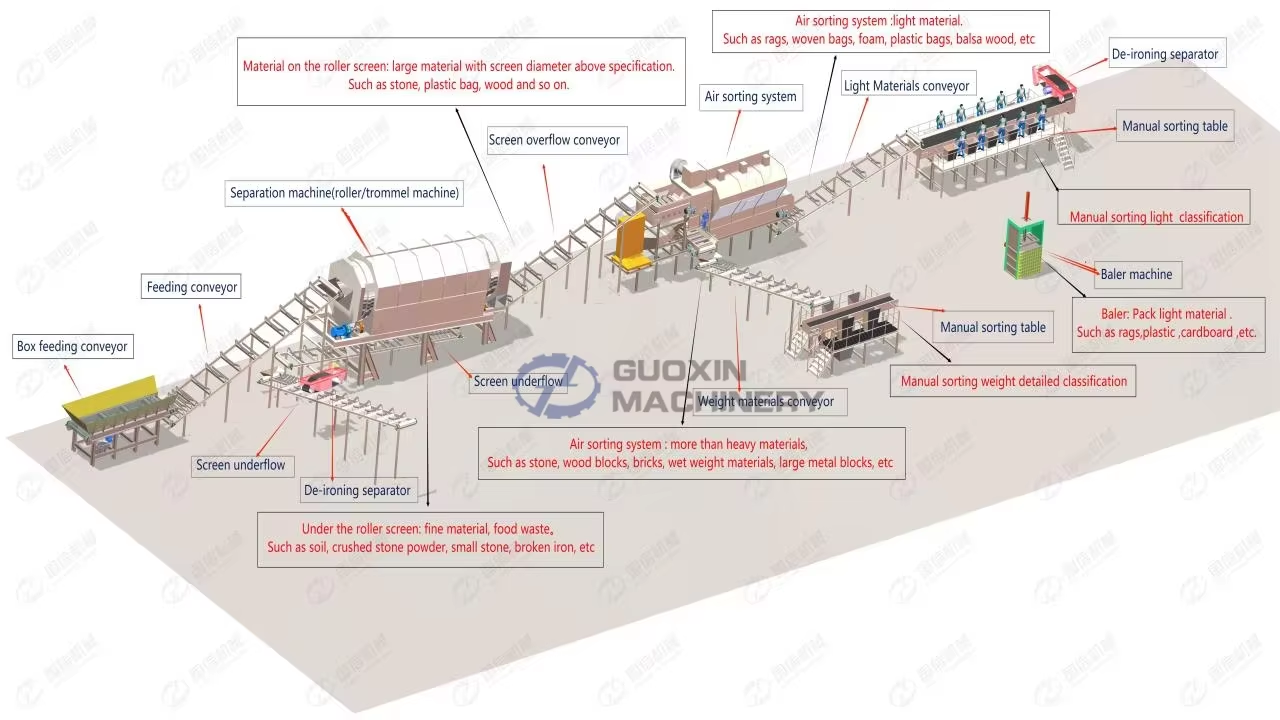
Typical Construction Waste Sorting Process
Construction and demolition waste usually contains concrete, bricks, wood, plastics, and metals. A typical construction waste sorting plant includes several processing stages.
A standard waste sorting line usually includes the following steps:
- Feeding System – Uniform feeding of mixed waste
- Trommel Screen – Separates by particle size
- Air Separator – Separates light and heavy materials
- Magnetic Separator – Removes ferrous metals
- Eddy Current Separator – Separates non-ferrous metals
- Manual or Intelligent Sorting – Final quality control
Through this process, recyclable materials such as metal, aggregates, and plastics can be separated efficiently, reducing landfill disposal and improving resource recovery.
The process can be flexibly adjusted according to waste composition and capacity requirements.
Equipment combination is selected to balance recovery efficiency and overall system investment, rather than maximizing equipment quantity.
Construction Waste Sorting Machine Price
How Much Does a Construction Waste Sorting Machine Cost?
The price of a construction waste sorting machine depends on several factors, including plant capacity, automation level, and equipment configuration.
Typical investment ranges include:
• Small construction waste sorting line (50–100 tons/day): $80,000 – $150,000
• Medium recycling plant (100–300 tons/day): $150,000 – $400,000
• Large automated sorting plant (300–1000 tons/day): $400,000 – $1,000,000+
The final cost depends on the type of construction waste, required separation accuracy, and the overall project design.
The price of a construction waste management machine depends on several key factors:
| Factor Impact | t on Cost |
|---|---|
| Processing capacity (TPD) | Higher capacity = higher investment |
| Degree of automation | Manual vs semi-auto vs fully automatic |
| Waste composition | More complex waste = more equipment |
| Local labor cost | Affects the automation level |
| Turnkey scope | Design, installation, and training included |
Download Detailed Price List & PDF Specification
Typical Investment Range
- Small-scale system (100–200 TPD): USD 150,000 – 300,000
- Medium-scale system (300–500 TPD): USD 300,000 – 600,000
- Large-scale fully automatic line: Customized quotation
Exact pricing requires waste analysis and capacity confirmation.
Applications of Construction Waste Sorting Machines
Typical applications include:
• Construction and demolition waste recycling plants
• Urban redevelopment waste treatment projects
• Concrete and brick recycling facilities
• Resource recovery centers for mixed construction debris
• Contractors operating medium to large-scale C&D recycling facilities
• Projects requiring stable output quality and long-term operation
• Government or PPP waste management projects
• Contractors seeking on-site or centralized sorting solutions
These systems help recover valuable materials such as aggregates, metals, and plastics while reducing landfill disposal.
Construction waste sorting machines are widely used in recycling facilities handling demolition and renovation waste.
It may not be suitable for:
•Very small temporary demolition sites
• Projects requiring only simple manual sorting
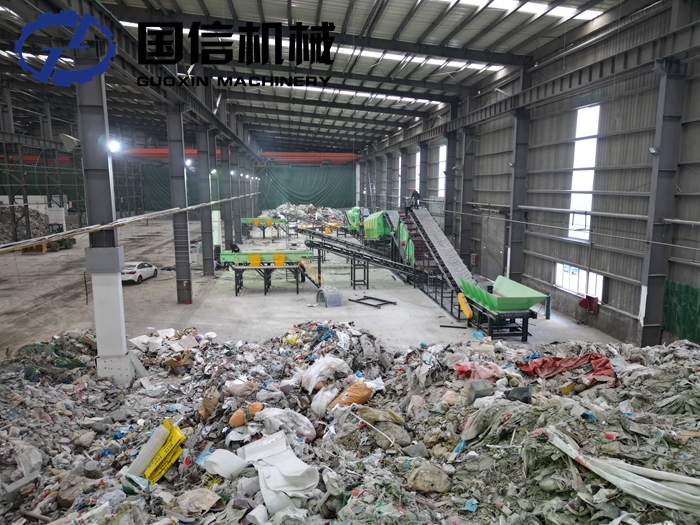
mixed construction and demolition waste sorting case
Turnkey Construction Waste Sorting Solution
We provide complete turnkey solutions, including:
- Waste analysis & project evaluation
- Plant layout and process design
- Equipment manufacturing and supply
- Installation and commissioning
- Operator training and after-sales support
Each solution is tailored to your specific waste type, site conditions, and investment budget.
Looking for a Construction Waste Sorting Machine?
Get a Free Construction Waste Sorting Solution
Selecting the right construction waste sorting equipment is essential for achieving high recycling efficiency.
If you are planning a construction waste recycling project, we can help you:
Our engineering team can help evaluate:
• daily processing capacity
• waste composition and particle size
• required recycling rate
• plant layout and equipment configuration
Design the most cost-effective sorting line
Calculate investment and operating costs
Improve recycling rate and project profitability
Contact us to receive a customized construction waste sorting plant proposal and quotation.
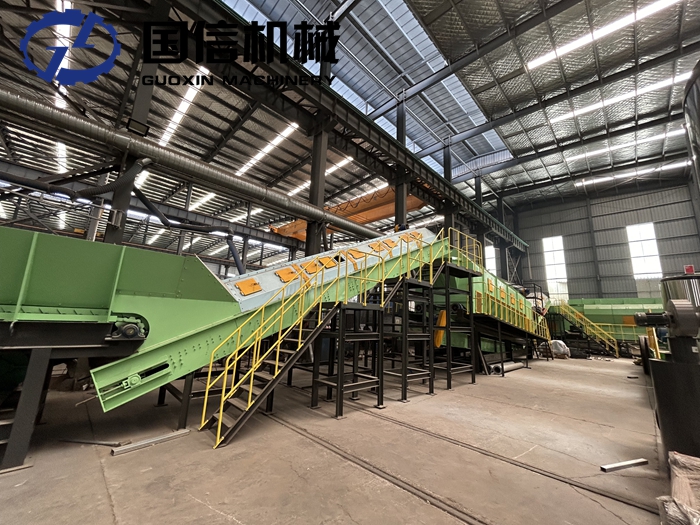
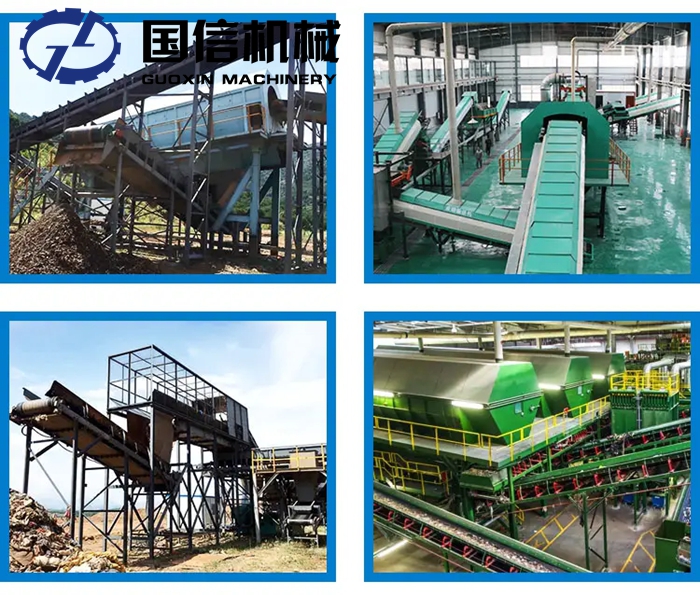
Working site of the production line
Cooperative client