
What is Bulky Waste?
Bulky waste refers to large household items that are too big or heavy to fit into regular trash bins. These items can include:
- Appliances: Refrigerators, washing machines, microwaves
- Furniture: Sofas, tables, chairs
- Electronics: TVs, computers, air conditioners
- Mattresses and rugs
These items take up a lot of space and often require special disposal methods. The good news is that with the right approach, dealing with bulky waste doesn’t have to be a hassle.
Why is Proper Bulky Waste Sorting Important?
You might be wondering why it’s worth the extra effort to properly sort and dispose of bulky waste. Well, here are a few reasons why it matters:
- Reduce landfill waste: Many bulky items can be recycled or repurposed, which helps reduce the strain on landfills.
- Protect the environment: Old appliances and electronics can contain harmful chemicals or materials. If not disposed of correctly, they can pollute the environment.
- Save money: Some municipalities offer free bulky waste pickup. By sorting your waste correctly, you can avoid additional fees.
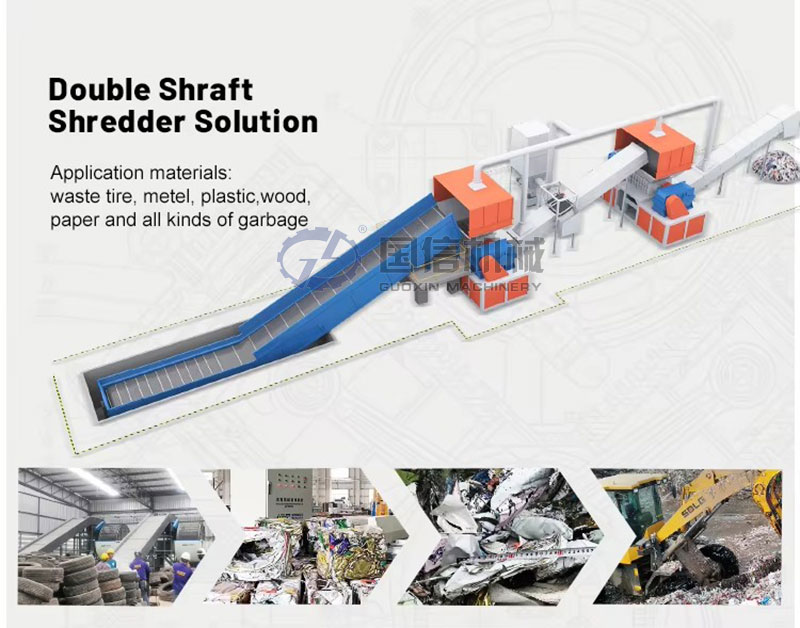
bulky waste sorting
Sorting process:
- Pre-treatment
- Coarse crushing and shredding: Bulk waste is evenly fed into a shredder or crusher, such as a twin-shaft shear crusher, via a plate feeder.
- Magnetic separation: The crushed material is then processed through a suspended self-unloading magnetic separator or magnetic drum.
- Air separation: An air separator uses aerodynamic principles to separate the crushed mixture into lighter and heavier components.
- Trommel screen
How to Sort and Dispose of Bulky Waste: A Step-by-Step Guide
Step 1: Categorize Your Bulky Items
Start by taking stock of the bulky waste you need to get rid of. Categorizing them will help determine the best way to dispose of each item. Here’s how:
- Recyclable items: Appliances, electronics, and metal furniture can often be recycled. These should be separated from non-recyclable items.
- Reusable items: If your furniture or electronics are still in decent condition, consider donating or selling them.
- Non-recyclable items: Items like mattresses and certain plastics may not be recyclable, but they can be disposed of through specialized waste management services.
Step 2: Check Local Waste Disposal Guidelines
Different areas have different rules when it comes to bulky waste disposal. It’s essential to know what’s available in your city:
- Free pickup services: Many cities offer free bulky waste pickup. You can schedule a collection in advance.
- Special requirements: Some areas may require you to disassemble large items or remove hazardous materials (like refrigerants from old fridges).
- Recycling programs: Certain cities have specific programs for recycling bulky items, such as old appliances or electronics. Make sure to check if your area offers these services.
Step 3: Find the Best Disposal Option
Once you’ve categorized your items, it’s time to choose the best disposal option:
- Recycling centers: Many large appliances, electronics, and metals can be taken to recycling centers. If you’re not sure where to go, do a quick search online for local recycling facilities.
- Donations and resale: If your bulky items are still in good condition, consider donating them to a local charity or selling them through online marketplaces.
- Private waste removal: If your local government doesn’t offer bulky waste collection, or if you need to dispose of large amounts, consider hiring a professional waste removal service. Many companies offer efficient and cost-effective solutions for bulky waste disposal.
Step 4: Prepare Your Items for Pickup
Before your bulky waste is collected, make sure all items are prepared according to local guidelines:
- Disassemble large items: If possible, break down large items like furniture or mattresses to make them easier to transport.
- Remove hazardous materials: Some items, like fridges and air conditioners, may contain hazardous materials. Be sure to follow the proper procedures to remove these safely.
- Label items: If you’re arranging for a private pickup, label the items to make it clear what needs to be disposed of. This will help the waste removal team identify your trash more efficiently.
Budget-Friendly Tips for Bulky Waste Disposal
You don’t have to break the bank to get rid of bulky waste. Here are some affordable ways to handle your large items:
- Take advantage of local pickup services: Many cities offer free or low-cost bulky waste collection. Check to see if this service is available in your area and schedule a pickup.
- DIY transport: If you have access to a vehicle, consider hauling your bulky items to a local recycling or disposal center. This can save you the cost of hiring a waste removal service.
- Sell or donate: If your items are still in good condition, sell them online or donate them to charity. Not only will you save money, but you’ll also help someone else in need.
So, next time you need to get rid of large items, follow this guide, and make the process easier and more environmentally friendly. After all, managing waste is one of those tasks that’s a lot less stressful when you know exactly what to do.