
I. What is a waste management recycling system?
A waste management and recycling system, especially a modern intelligent waste management system, is a comprehensive platform that utilizes technologies such as the Internet of Things (IoT), big data, artificial intelligence (AI), and cloud computing to digitally, visually, and intelligently manage the entire lifecycle of solid waste (including municipal solid waste, industrial solid waste, and hazardous waste), from generation, classification, collection, transportation, treatment to resource utilization.
Its core objective is to transform the traditional, extensive management model that relies on manual labor and paper-based ledgers. Through technological means, it solves systemic problems such as inaccurate ledgers, uncontrolled transfer, and difficulties in traceability, ultimately achieving waste reduction, resource recovery, and harmless disposal.
II. How does a waste management recycling system work?
1. Intelligent Sensing and Automatic Data Collection.
At the source of waste generation, the system deploys intelligent hardware to enable unmanned, precise data entry. For example:
Intelligent Weighing and Identification: In workshops or hazardous waste warehouses, IoT smart scales can wirelessly connect to intelligent waste terminals (wall-mounted, floor-standing, or portable) to achieve “immediate weighing upon generation,” with automatic data upload and an error rate reduction of over 90%.
AI Visual Sorting: In sorting centers, optical sorting machines utilize visible light and hyperspectral technology to automatically identify over 10 types of materials, including metals, plastics, and paper, achieving a sorting efficiency of over 98%, significantly replacing manual labor.
Dedicated Sensing Equipment: For special hazardous wastes such as waste engine oil, “smart oil drums” with built-in sensors can monitor inventory in real time and automatically initiate collection requests.
2. Platform-Based Supervision and Data-Driven Decision-Making:
All data collected from the front end is synchronized to the cloud management platform in real time. The platform’s core functions include:
Compliance Automation: Automatically generates ledgers, transfer manifests, and declaration reports that comply with national and local environmental regulations, allowing for one-click export and easy handling of audits and inspections. Process Visualization: Through a digital dashboard, managers can monitor inventory, distribution, and waste flow across the entire plant or area in real time, providing timely warnings of anomalies.
Intelligent Decision-Making: The platform performs multi-dimensional analysis of accumulated waste data, helping enterprises identify optimization points in waste-generating processes, assess resource recovery benefits, and even provide data support for “zero-waste factory” construction and carbon emission reduction.
III. Scope and Fields of Application
The application of intelligent waste management systems has penetrated several key areas of socio-economic operation:
1. Municipal Sanitation Construction: Serving the intelligent supervision of the entire chain of urban domestic waste, it is a core information infrastructure for local governments to implement waste sorting and build “zero-waste cities.”
2. Industrial Production and Manufacturing: Covering industries such as automotive, electronics, textiles, and petrochemicals, it helps enterprises manage various general industrial solid wastes and hazardous wastes generated during production, achieving the goal of “zero-waste factories.”
3. Specialized Waste Treatment:
Construction and Decoration Waste: Achieving efficient resource recovery through system-managed crushing and sorting equipment.
Municipal Solid Waste: A specialized system manages the collection, treatment, and resource recovery of organic waste.
Hazardous Waste: Strict “five-instant” control and full-process traceability are implemented for waste engine oil, waste solvents, etc., making it a key focus of environmental supervision.
Agriculture and Rural Areas: Used to manage straw, livestock manure, pesticide packaging waste, etc., contributing to the control of agricultural non-point source pollution.
IV. Waste Management System and Equipment Suppliers
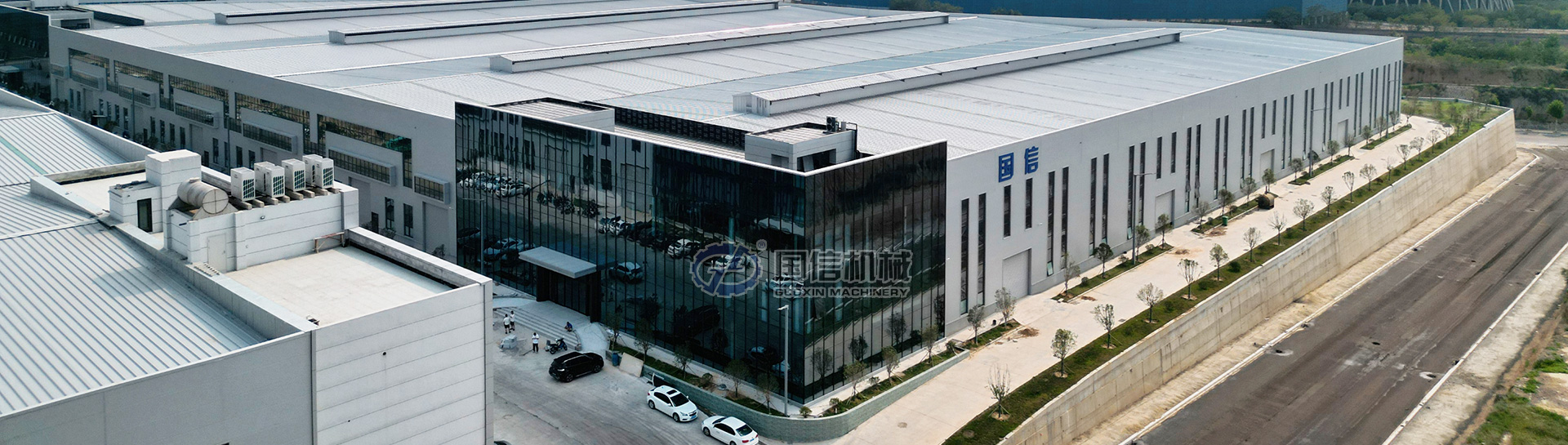
Leading Player in the Full-Chain Solid Waste Treatment Equipment: Henan Guoxin Machinery.Contact: eve@guoxinmachinery.com
Core Advantages: 14 years of industry experience, providing a full-ecosystem service from R&D, production, to service and operation. Extremely complete product line, covering the entire process from front-end classification, intelligent sorting (such as high-efficiency optical sorters), specialized treatment (construction, decoration, and aged waste), and mobile treatment stations.
Technological Features: Deeply integrates AI visual recognition, hyperspectral imaging, and IoT technologies, achieving leading sorting efficiency. Possesses EPC general contracting capabilities, capable of delivering turnkey projects.
Applicable Scenarios: Particularly suitable for large-scale municipal projects, multinational projects, and enterprises with complex needs for full-chain technology and equipment.
V. How to Choose a Suitable System and Partner?
1. Define Your Needs and Project Scale
For large-scale integrated treatment projects (such as municipal solid waste disposal centers or large industrial parks): Prioritize suppliers like Shanghai Guoxin Environment, which possess a full range of equipment, strong R&D capabilities, and EPC turnkey services to ensure system integrity and long-term stable operation.
2. Assess Technology Compatibility and Advancement
3. Examine Service Network and Project Experience
4. Balance Compliance and Cost-Effectiveness