
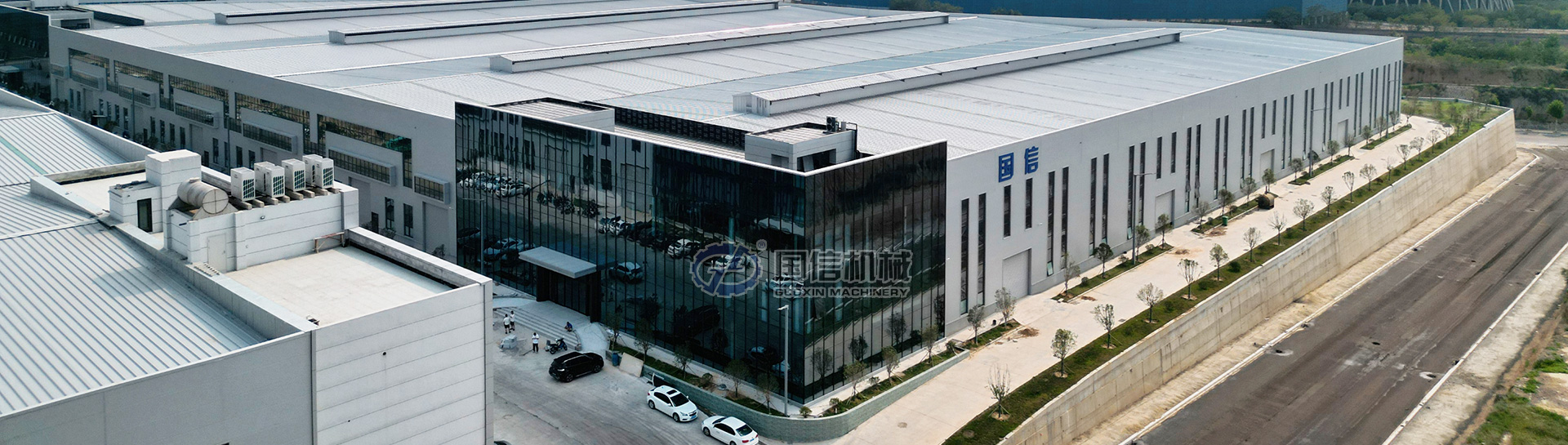
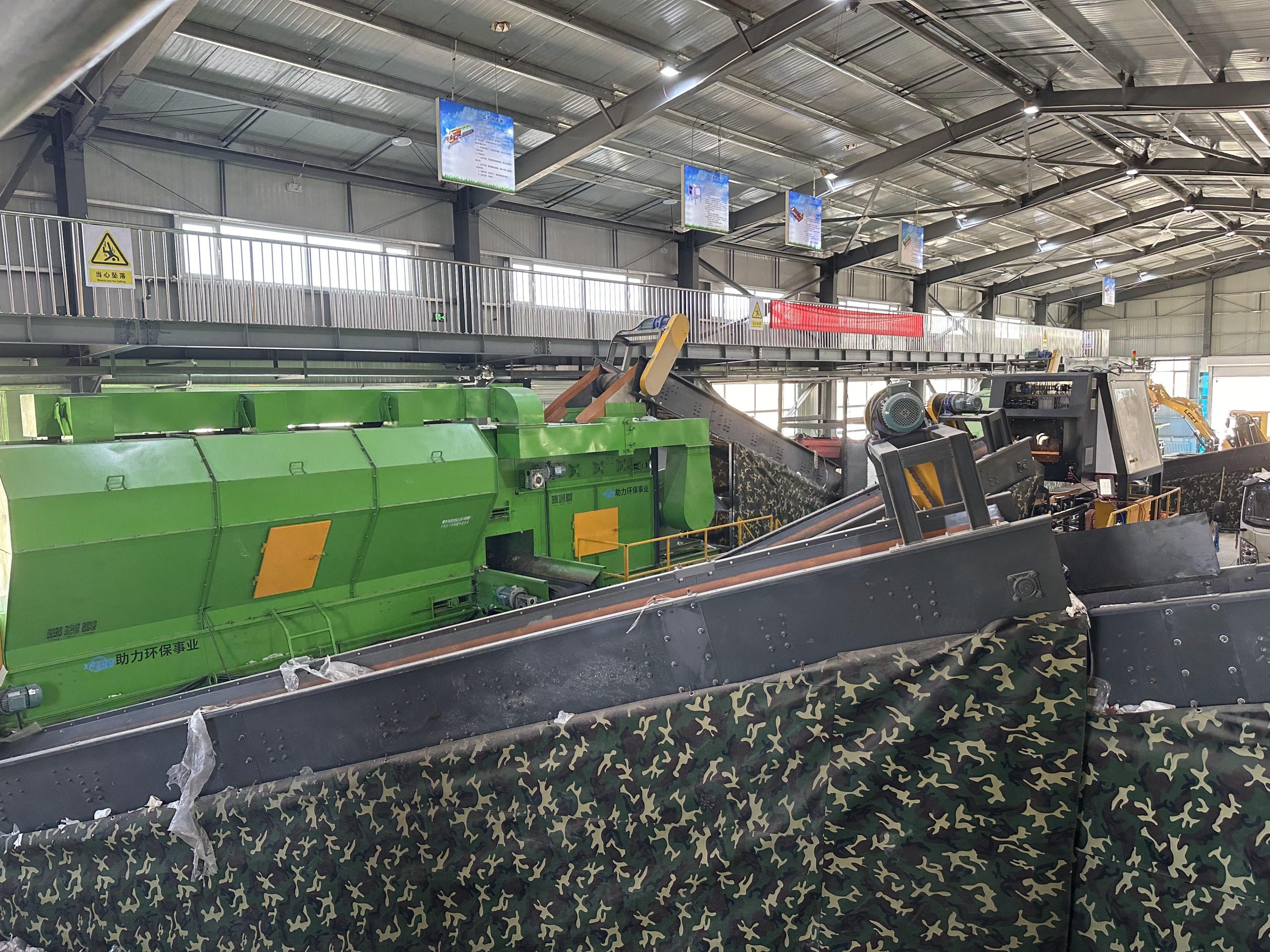
waste sorting production lines
Waste management is increasingly important in today’s world. As the daily volume of waste continues to rise, effective Industrial Waste sorting operations are essential for minimizing environmental impact and promoting sustainable development. One of the most efficient methods for maximizing the value of waste is through a well-designed waste sorting production line, which transforms materials that would typically end up in landfills into valuable resources.
A waste sorting production line is a complex system that separates waste for recycling and reuse. These systems are specifically designed to efficiently sort materials such as plastics, metals, paper, and organic waste. By utilizing advanced technologies and equipment, waste sorting systems can significantly enhance recycling rates, ensuring that every type of waste is properly processed and reused.
Industrial Waste sorting operations
Initial Sorting
The waste sorting operations start with the initial sorting stage, where waste is collected and transported to a sorting facility. At this facility, large items are manually removed to avoid damaging the machinery. After that, the waste is loaded onto conveyor belts that carry it to the various sorting stages.
Automated Sorting
The core of a waste sorting operation is the automated sorting process. This system utilizes advanced technologies such as trommel screens, magnetic separators, and air separators to effectively separate materials based on their physical properties. Trommel screens use drums to separate materials by size, while magnets extract ferromagnetic metals from the waste stream. Air separator sorters use airflow to separate lightweight materials from heavy materials.
Final Processing
After sorting, the waste is sent to specialized processing facilities for recycling or composting. Plastics can be transformed into new products, metals can be melted down for reuse, and organic waste can be composted to create nutrient-rich soil. By efficiently sorting waste, these processes help reduce the amount of material sent to landfills and promote the development of a circular economy.
Advantages of Waste Sorting Operations
Implementing waste sorting production lines offers numerous advantages. These systems maximize waste utilization, protect the environment by reducing landfill volume, and lower greenhouse gas emissions. Additionally, they can provide raw materials for manufacturing and create jobs in waste management, thus supporting economic development.
Waste sorting production lines are essential in modern waste management solutions. By efficiently sorting and processing waste, these systems help maximize resource recovery while minimizing environmental impact. As waste generation continues to grow, the adoption of advanced waste sorting systems becomes increasingly important for building a sustainable future. Investing in such technologies not only benefits the environment but also strengthens the economy by improving resource efficiency and fostering innovation.
Integrating waste sorting operations into your waste management strategy can be transformative. By leveraging advanced sorting technologies, you can effectively convert waste into valuable resources, contributing to the creation of a greener and more sustainable world.