
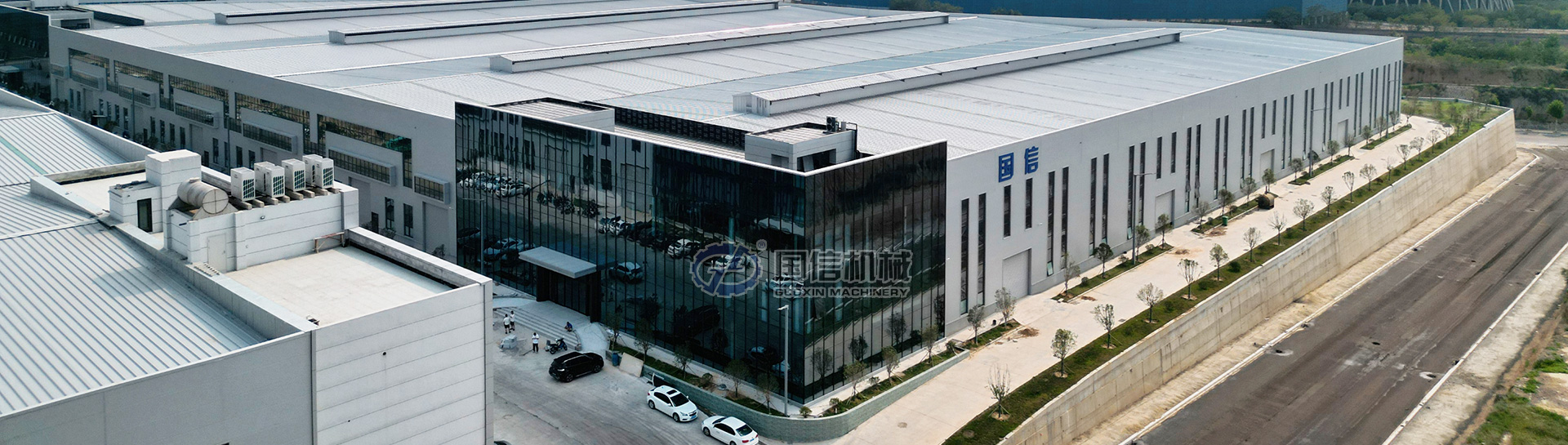
Modern mrf material recovery facilities (MRF) are no longer simple dumping grounds, but highly automated and intelligent resource sorting and recycling centers.
I. Core Equipment of the mrf material recovery facility
1. Feeding and Pre-treatment System
Plate feeder: Uniformly controls the inflow rate of waste, ensuring stable operation of subsequent processes.
Trommel screen: Separates materials by size using rotating screens with different apertures.
Bag opener machine: Specifically designed for bagged waste, effectively releasing contents to improve sorting efficiency.
2. Intelligent Sorting System
Magnetic separator: Automatically separates ferrous metals using a strong magnetic field, achieving a recovery rate of over 95%.
Eddy current separator: Separates non-ferrous metals (such as aluminum and copper) using an alternating magnetic field.
Near-infrared spectral separator: Accurately identifies plastic types (PET, HDPE, etc.) using the spectral characteristics of materials.
Optical separator: Combines high-resolution cameras and AI algorithms to identify materials by color and shape.
Bounce separator: Separates light and heavy materials using density differences.
3. Fine Processing System
Shredder machine: Crushes large materials to a uniform size.
Blanker Machine: Compresses sorted recyclables into neat bundles for easy transportation and storage.
Dust and odor control system: Ensures the quality of the working environment and surrounding air.
II. Sorting Process of the MRF Material Recovery Facility
1. Feeding and Primary Sorting: After weighing, materials enter the pre-treatment line and are evenly conveyed to the drum screen by a plate feeder. During screening, organic matter and fine residues fall through the screen holes into the collection system, while larger recyclables proceed to the next stage.
2. Two-Dimensional and Three-Dimensional Material Separation
Magnetic Separation: Powerful magnetic rollers above the conveyor belt automatically adsorb ferrous metals.
Eddy Current Separation: Non-ferrous metals generate induced currents in an alternating magnetic field and are ejected and separated.
Air Separation: Utilizes airflow differences to separate lightweight plastic films from heavy materials.
3. Intelligent Identification and Precise Classification: The near-infrared separator emits infrared light of specific wavelengths. Different materials produce unique spectral responses. The system identifies the material type within milliseconds and separates it into the corresponding collection tank through precise airflow jets.
4. Manual Quality Inspection and Packaging
After automated sorting, a manual quality inspection station is set up to ensure sorting purity. Qualified materials are conveyed to a baler machine, compressed into high-density bales, labeled with ingredient information, and then transported to a recycling plant.
III. Advantages
1. High Processing Capacity
– Single-line processing capacity reaches 15-50 tons/hour, more than 20 times that of manual sorting.
– Designed for 24-hour continuous operation, maximizing facility utilization.
2. High-Purity Sorting Effect
– Optical sorting system with recognition accuracy exceeding 98%.
– Recycling purity of specific materials (such as PET plastic) can reach 95%.
3. Significant Economic Benefits
– Reduces labor costs by 70-80%.
– Increases the value of recyclables by 30-50% (thanks to higher purity).
– Equipment investment payback period is typically 2-4 years.
4. Adaptability and Flexibility
5. Improved Working Environment and Safety
– Enclosed design reduces dust and odor diffusion.
– Automation reduces the health risks of direct contact with waste.
– Meets increasingly stringent environmental and labor standards.
6. Data-Driven Operation Management
– Real-time monitoring of sorting efficiency and equipment status at each stage.
– Data-driven optimization of sorting parameters and maintenance plans. Provides a traceable recycling data chain to meet environmental reporting requirements.