
I. The Complexity of Medical Waste
Medical Waste
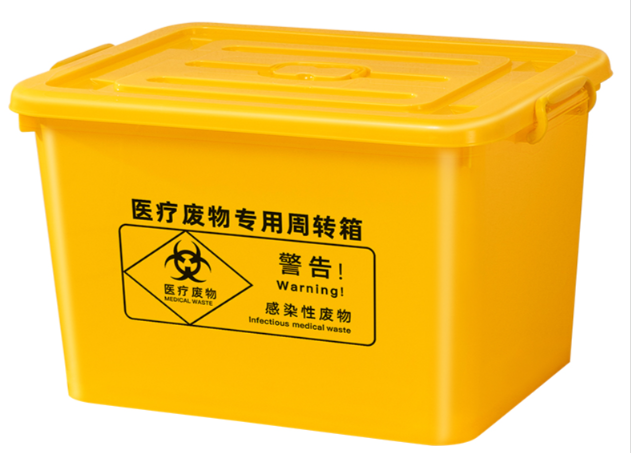
Medical waste is far from ordinary garbage. Washington County ordinance defines it as including pathological waste (human tissues and organs), biological waste (blood and bodily fluids), infectious cultures, contaminated animal carcasses, sharp objects, chemotherapy waste, and contaminated medical equipment.
These wastes carry a large number of pathogenic microorganisms, making them highly infectious and hazardous.
The diverse physical properties of medical waste are also a major characteristic. From soft gauze bandages and plastic IV bags to hard surgical instruments, glass medicine bottles, and sharp needles and scalpels, these materials, mixed together, pose a significant challenge to processing equipment.
II. The Necessity of Shredding
Shredders can destroy sharp objects such as needles and scalpels, eliminating the risk of physical injury to workers.
Significant volume reduction is another major advantage of shredding. By shredding, the volume of medical waste can be reduced by up to 70% or more, significantly reducing transportation and final disposal costs.
This pretreatment process creates favorable conditions for subsequent disinfection and disposal. The shredded medical waste has a larger specific surface area, allowing for more effective penetration and action from both chemical disinfectants and high temperatures, ensuring complete inactivation of pathogens.
III. Technical Features of Medical Waste Shredder
1. The specialized medical waste shredder employs a special blade design to handle the complexity of medical waste.
2. The equipment’s sealing performance is crucial.
3. Modern shredders also integrate disinfection functions.
4. The introduction of an intelligent control system enhances the equipment’s safety and convenience.
IV. Medical Waste Shredder Working Principle and Processing Flow
1. Feeding Stage: Waste enters the crushing chamber through a specialized feed hopper.
2. Shredding Process: Dual-shaft or single-shaft blades break the waste into small fragments through shearing and tearing.
3. Shredding and disinfection co-occur; disinfectant is sprayed evenly during the crushing process to ensure all fragments are thoroughly disinfected.
4. The crushed material is discharged through a conveyor system, ready for the next processing stage.
5. The endpoint of the treatment process is safe discharge, ensuring that all treated waste meets the prescribed safety standards and can be landfilled as ordinary waste or enter the resource recycling process.
V. Application Scenarios and Treatment Processes
1. Shredder-to-Incineration Treatment: The shredder, as a pretreatment device before incineration, shreds medical waste into uniform small pieces to improve incineration efficiency and reduce the generation of harmful gases.
2. Shredder After High-Temperature Steam Sterilization: Waste is first sterilized by high-temperature steam, then shredded. The remaining residue can be landfilled in accordance with sanitary requirements.
3. Integrated Dry Chemical Sterilization and Shredder: This is an innovative technology that combines sterilization and shredding simultaneously. Medical waste meets emission standards under the action of specialized disinfectants and mechanical crushing and mixing.
4. Mobile Emergency Treatment: Vehicle-mounted mobile medical waste shredders can be quickly deployed during public health emergencies to achieve on-site safe treatment of medical waste.
The configuration and design of medical waste shredders will vary depending on different treatment needs.
VI. Medical Waste Shredder Selection and Management
1. Matching Disposal Capacity.
2. Safety certification and compliance.
3. Durability and maintenance costs.
4. Supplier technical support.
In medical waste disposal centers in cities like Ningbo, Zhengzhou, and Xinyang, this specialized equipment has become standard equipment. Even in countries as far away as the United States and Singapore, Guoxin Machinery-made medical waste shredders can be seen operating efficiently.
With increasing global emphasis on public health and safety, these seemingly bulky industrial machines are silently safeguarding the first line of defense for human health.