
I. Working Principle
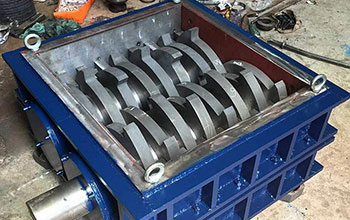
Hammer impact and disc crusher types.
1. Hammer impact shredders use high-speed rotating hammers to strike materials, suitable for processing harder wood materials.
2. Disc crushers use sharp blades to cut and tear materials, making them more effective for processing mixed garden waste with a high leaf content.
II. Technical Features
1. Intelligent feeding system: Equipped with sensors and an automatic adjustment device, it can automatically adjust the feeding speed according to the material characteristics.
2. Multiple safety protections: Includes overload protection, emergency braking, and anti-rebound design.
3. Replaceable blade system: Adopts a modular design for easy maintenance and blade replacement.
4. Vibration and noise reduction technology: Reduces equipment operating noise through optimized structure and the addition of sound insulation materials.
5. Mobile design: Some models are equipped with tires or towing devices, allowing direct movement and use on the work site.
III. Advantages of Garden Waste Shredder
1. High efficiency and volume reduction, lower transportation costs: After shredding, garden waste can be reduced in volume by 3-8 times, significantly reducing transportation frequency and costs. 1. What would normally require five truckloads of garden waste can now be transported in a single truckload after being shredded.
2. Creates conditions for resource utilization. Shredded garden waste becomes uniform organic material that can be directly used for:
– Composting raw material for producing organic fertilizer
– Garden mulch to maintain soil moisture and suppress weeds
– Biomass fuel for power generation or heating
– Raw material for engineered wood products
– Ecological restoration materials
3. Promotes the harmless treatment of garden waste. The shredding process disrupts the habitat of pests and diseases, reducing the hygiene and safety problems caused by the accumulation of garden waste.
4. Improves garden maintenance efficiency. On-site shredding avoids prolonged accumulation of garden waste, making garden maintenance work more continuous and efficient.
5. Supports the development of a circular economy. Transforming garden waste from a “treatment object” into a “usable resource” creates a green cycle of “generation-collection-treatment-utilization.”
IV. Application Scenarios of Garden Waste Shredder
Municipal landscaping management, tourist attractions, residential communities and schools, botanical gardens and nurseries, forestry management, and agriculture.
V. How to Choose a Suitable Garden Waste Shredder?
1. Processing Capacity Requirements
2. Material Characteristics
– Primarily hardwood: Choose a hammer mill.
– Mixed garden waste (containing a large amount of leaves and twigs): Choose a disc mill.
– Extra-large diameter timber: Choose a professional large-diameter timber shredder.
3. Power Configuration
Choose an electric or diesel power model based on the site conditions, considering power supply and mobility requirements.
4. Output Size Requirements
5. Mobility Requirements
6. Safety and Environmental Characteristics
Garden waste shredders are not just simple waste treatment equipment, but also an important support for urban green development. They play an increasingly important role in sustainable urban development.
As the first step in the resource utilization of garden waste, choosing the right shredding equipment is crucial for the success of the entire processing chain. Investing in a high-quality garden waste shredder is not only a contribution to environmental protection but also a forward-looking plan for the future resource recycling economy.