
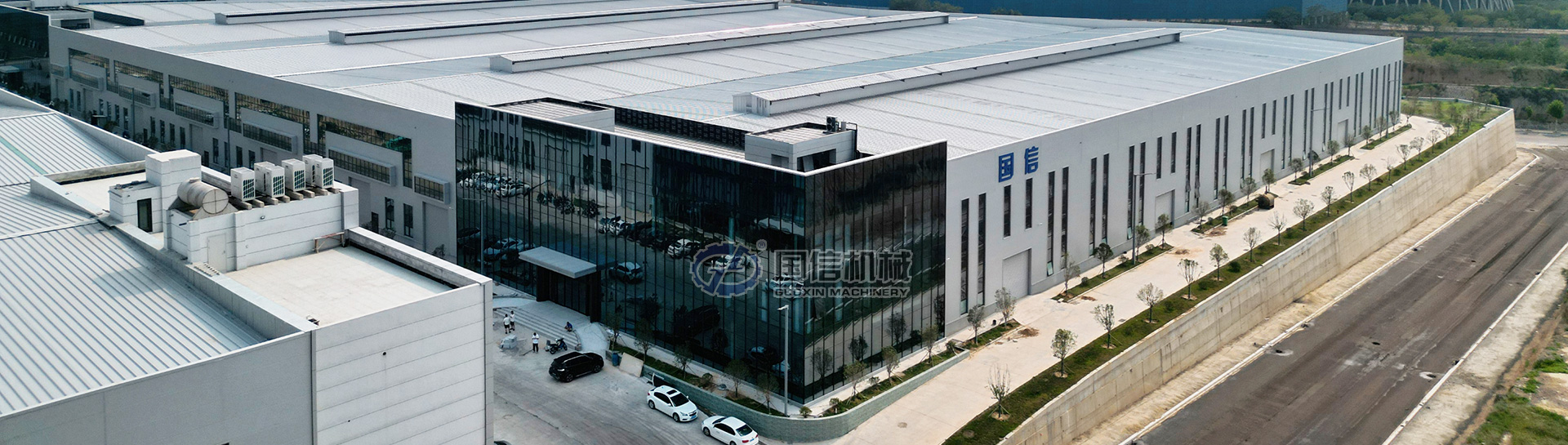
Automatic waste sorting equipment is a core component of modern resource recycling systems. Its efficient and precise sorting capabilities significantly improve the purity and processing efficiency of recyclables, reduce labor costs, and enable large-scale continuous operation. Stable operation is crucial for ensuring the economic benefits of the entire production line, while equipment failure often leads to decreased sorting efficiency, mis-sorting of materials, or evena complete line shutdown. Therefore, a deep understanding of the causes of common faults and mastering scientific troubleshooting techniques are essential for maintaining efficient equipment operation and extending its service life.
I. Symptoms and Causes of Common Faults in Sorting Equipment
1. Conveyor System Misalignment or Blockage
The conveyor belt is the artery of material flow; its sluggish operation directly affects all subsequent sorting processes. Symptoms include conveyor belt deviation to one side, material accumulation, increased running resistance, and even motor overload and shutdown.
Causes:
Imperial rollers and idlers are not installed parallel or have foreign objects adhering to them, resulting in uneven stress.
Improper adjustment of the tensioning device, either too loose or too tight.
1. Improper conveyor belt joints or severe localized wear.
Large foreign objects or entangled materials are stuck in the conveyor gaps.
Incorrect material loading points or sudden excessive flow rates.
2. Decreased sorting accuracy (mis-sorting, missed sorting)
This is a core performance failure of the sorting equipment, manifesting as target materials being incorrectly sorted into other categories or not being effectively identified and sorted, resulting in substandard purity of recycled materials.
Causes:
Sensor-related (e.g., near-infrared, metal detection, vision systems): Lenses or sensor windows are contaminated with dust or moisture; light source aging or unstable intensity; material layers are too thick or overlapping, causing recognition penetration failure; sensor parameter settings (e.g., sensitivity, threshold) are not adjusted according to material changes.
Actuator-related (e.g., airflow nozzles, robotic arms): Solenoid valve blockage or sluggish operation; insufficient air/hydraulic pressure; nozzle misalignment; decreased positioning accuracy or insufficient gripping force of the robotic arm.
System coordination issues: Improper timing delay settings between identification signals and execution actions.
3. Abnormal Vibration and Noise in Equipment
Abnormal vibration and harsh noise during operation not only affect equipment stability but may also indicate component damage.
Causes:
Dynamic imbalance or bearing wear in rotating parts (such as fans and trommel screens).
Loose fasteners (bolts, nuts).
Local deformation or cracking of the frame structure due to long-term stress or impact.
Poor lubrication or wear of transmission components such as gears and chains.
4. Electrical Control System Failure
Manifestations include sudden equipment shutdown, partial functional failure, unresponsive human-machine interface, or error codes.
Causes:
Loose wiring connections, poor contact, or short circuits.
Abnormal operation of core control modules such as PLCs and frequency converters due to environmental factors (humidity, dust, high temperature).
Water ingress or oxidation at the electrical connectors of sensors or actuators.
Program errors or accidental parameter modification.
II. Practical Troubleshooting and Maintenance Techniques for Waste Sorting Equipment
(1) Maintenance of the Conveying System
Regularly check and adjust the parallelism and cleanliness of rollers and idlers; maintain appropriate tension; promptly clean up spilled materials along the route to prevent entanglement. For blockages, install overload protection and foreign object detection devices at key nodes, and standardize the feeding size and flow rate.
(2) Calibration and Cleaning of Sorting Units
Establish a daily or shift-based cleaning and inspection system: clean the lenses and windows of all optical sensors; check the brightness of the light source; test the action response and positioning accuracy of each actuator (such as nozzles). Regularly calibrate the sorting accuracy using standard samples, and fine-tune the identification parameters according to seasonal or batch changes in material characteristics.
(3) Maintenance of Mechanical and Transmission Components
Strictly follow the lubrication chart to lubricate bearings, gears, chains, etc., on a regular, qualitative, and quantitative basis. Pay attention to the cleanliness of the lubricating oil to prevent dust intrusion. Regularly check the welding points and connections of key structural components for cracks or looseness, and tighten or reinforce them promptly.
(4) Protection of Electrical and Control Systems
Maintain a well-sealed electrical control cabinet, perform regular dust removal, and install air conditioning or dehumidification devices if necessary. Standardize wiring, use protective conduits, and prevent wire wear. Back up important programs and record stable operating parameters. Operators should be familiar with the meaning of common alarm codes and the initial reset and inspection procedures.
Implementing a proactive maintenance strategy for waste sorting equipment, focusing on prevention and supplementing with maintenance, can significantly reduce unexpected downtime and ensure sorting quality and production line capacity. Guoxin Machinery is committed to providing customers with stable and reliable sorting solutions and comprehensive technical support. For more information on equipment maintenance or to obtain professional services, please feel free to contact our technical team.